The BMW factory that ended up in the East: Eisenach, 1928 to 1992, and the road to the E46
BMW's first car factory stood in Thuringia. After 1945 it built BMWs for the East under another name, then Wartburgs. In 1992 BMW came back. A Unity Day story.
Germany marks the day of its reunification on 3 October. For BMW the date has a specific address: a factory in Eisenach, Thuringia, that built the first BMW cars, spent four decades on the other side of the border building BMWs under another name and then Wartburgs, and saw BMW return in 1992. The E46 that this site is about belongs to the generation that followed. Here is the story, with every date tied to a source and graded.
The first BMW car factory was in the East
BMW was founded in Munich in 1916 and built aircraft engines and then motorcycles before it built a car. 4 Its first car factory was not in Bavaria. In November 1928 BMW took over the Fahrzeugfabrik Eisenach, a Thuringian works founded at the end of 1896 that had been selling cars under the Dixi name. 1,8 BMW's own plant page still calls Eisenach "the first ever BMW car factory". 2
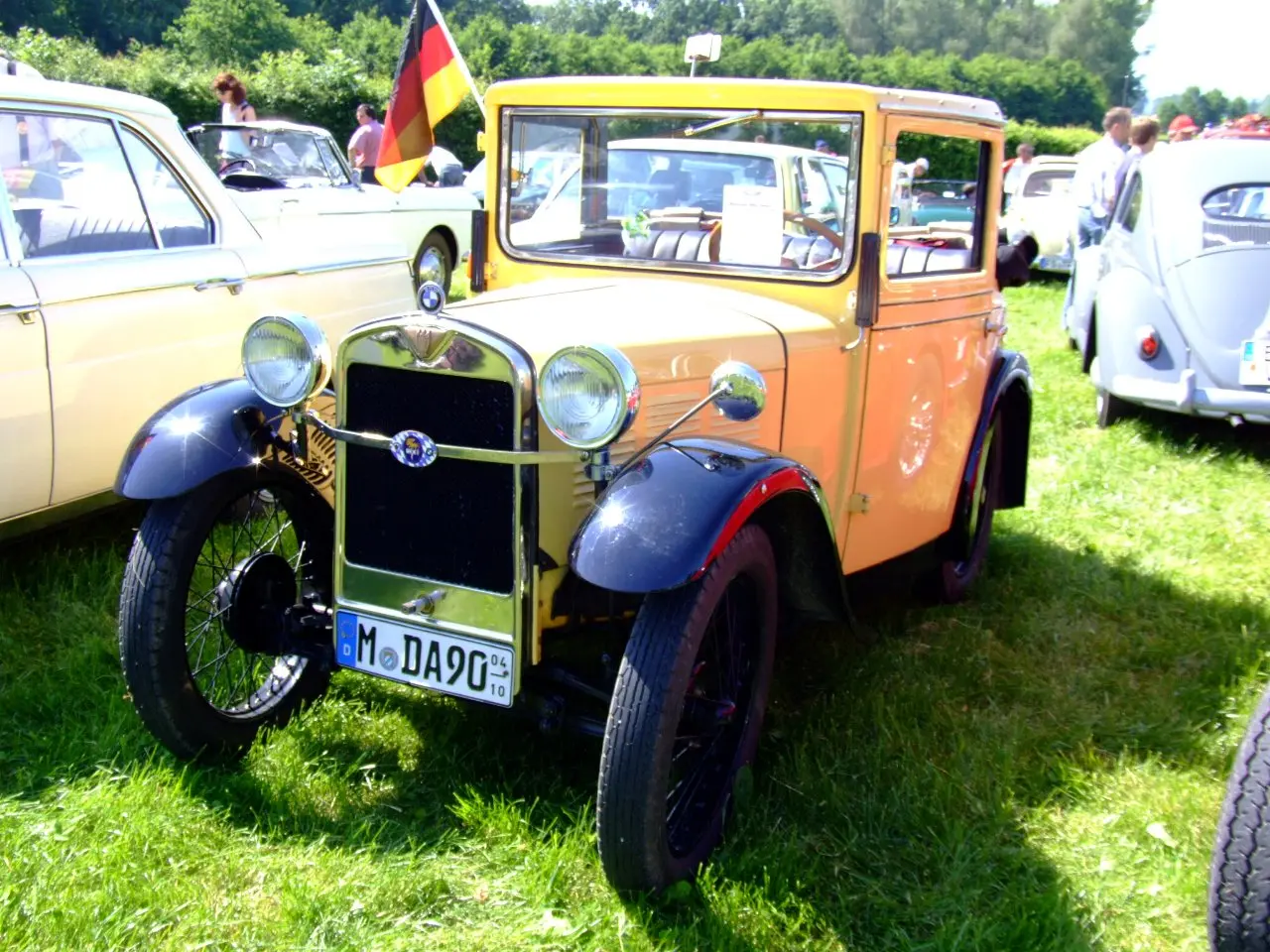
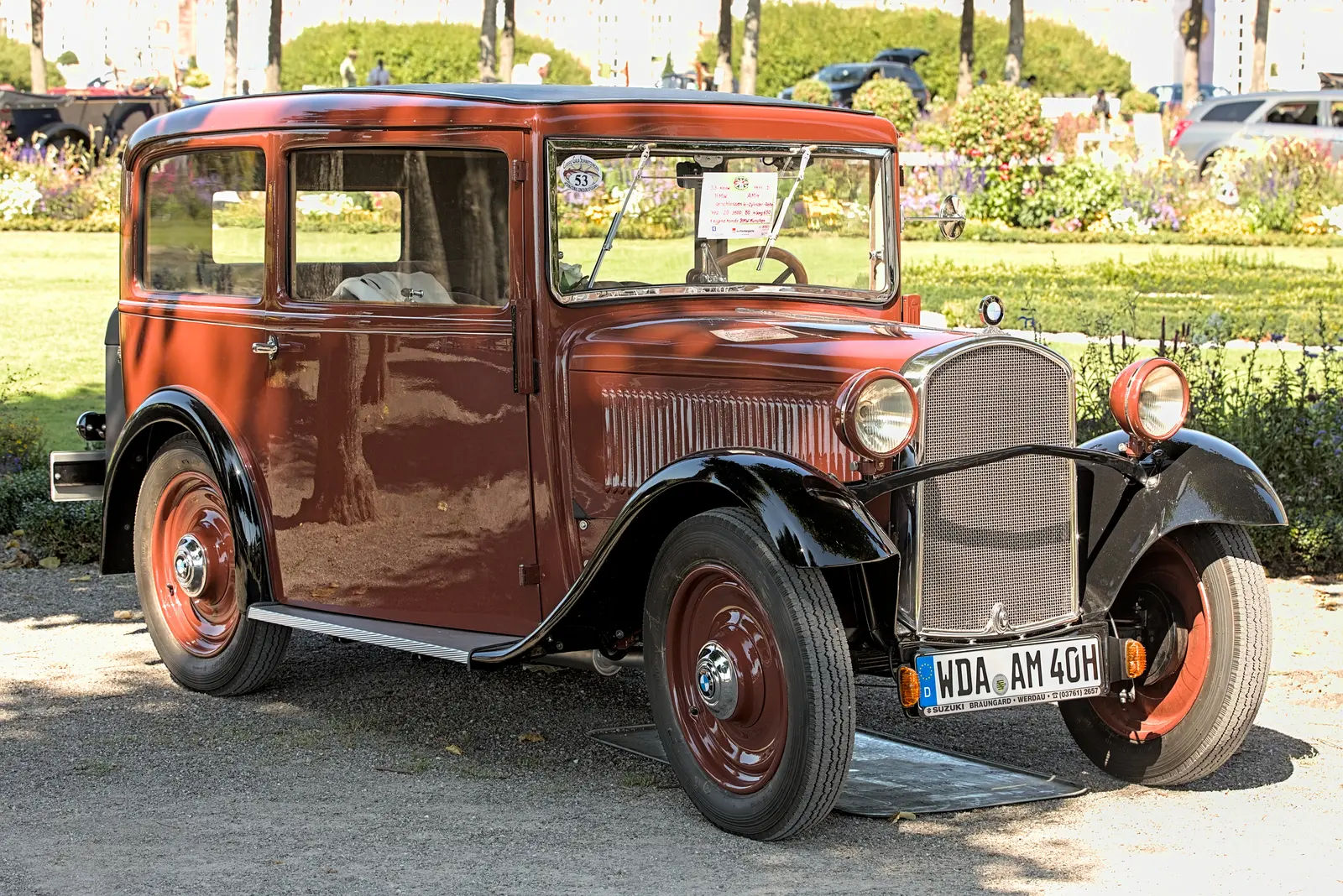
What Eisenach built was small. Dixi had taken a licence for Britain's Austin Seven, and BMW kept only that small car when it bought the works, dropping Dixi's large luxury models. Badged BMW 3/15, the little four-cylinder car developed 15 hp at 3,000 rpm, weighed under half a tonne, managed 75 km/h and cost 2,175 Reichsmarks in 1930. The larger BMW 3/20 followed in 1932 as the Austin licence ran out. 3
1945: the factory stays, BMW leaves
The end of the war put Eisenach in the Soviet occupation zone. American troops reached the plant in April 1945; Soviet forces took it over in July 1945, and Thuringia became part of what would be East Germany. 9,11 More than half the plant was destroyed. 11
It did not stay silent for long. A Soviet order of 13 October 1945, which the regional press credits with saving the Eisenach car-making site, put the former BMW works back to building cars and motorcycles, and BMW's own account confirms that production began again in November 1945. 11,1 By the end of the year the first 68 cars and 75 motorcycles had left the halls: pre-war BMW designs, built in the East, still wearing the BMW badge. 11 After the war the plant was run as a Soviet-owned stock company; sales to private customers and export began in 1948. 8,9
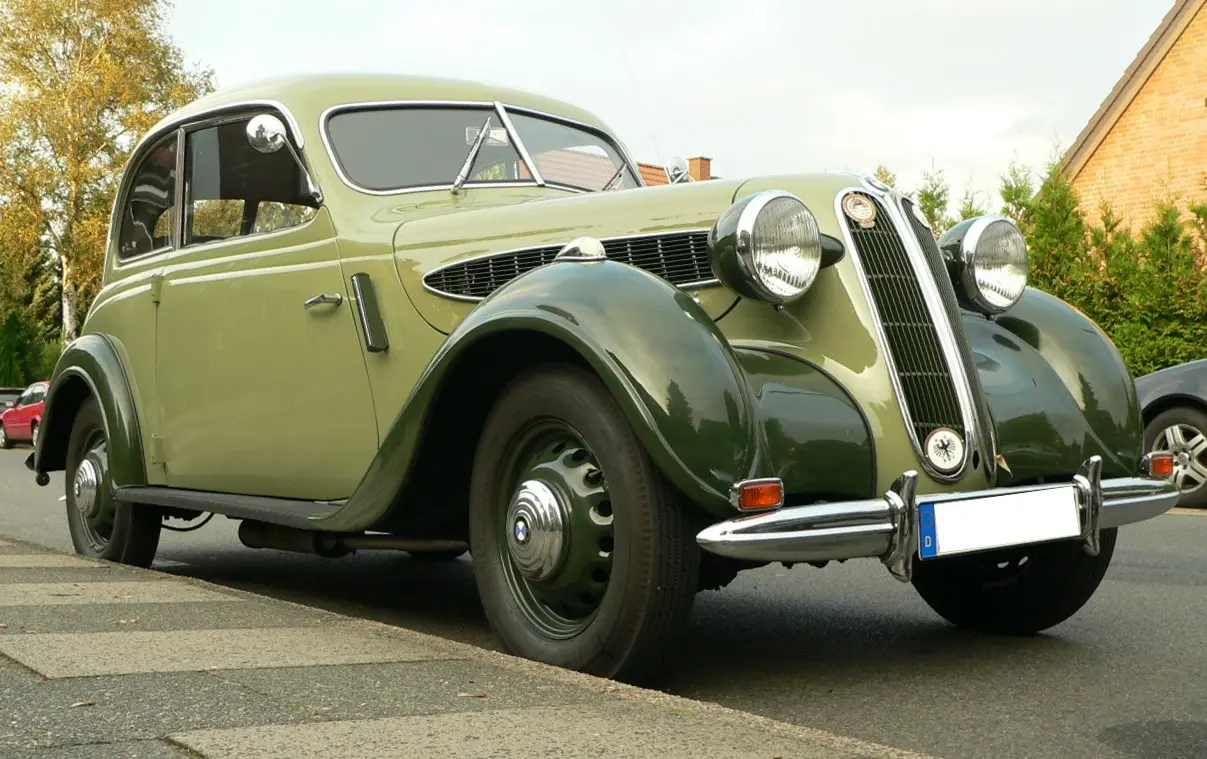
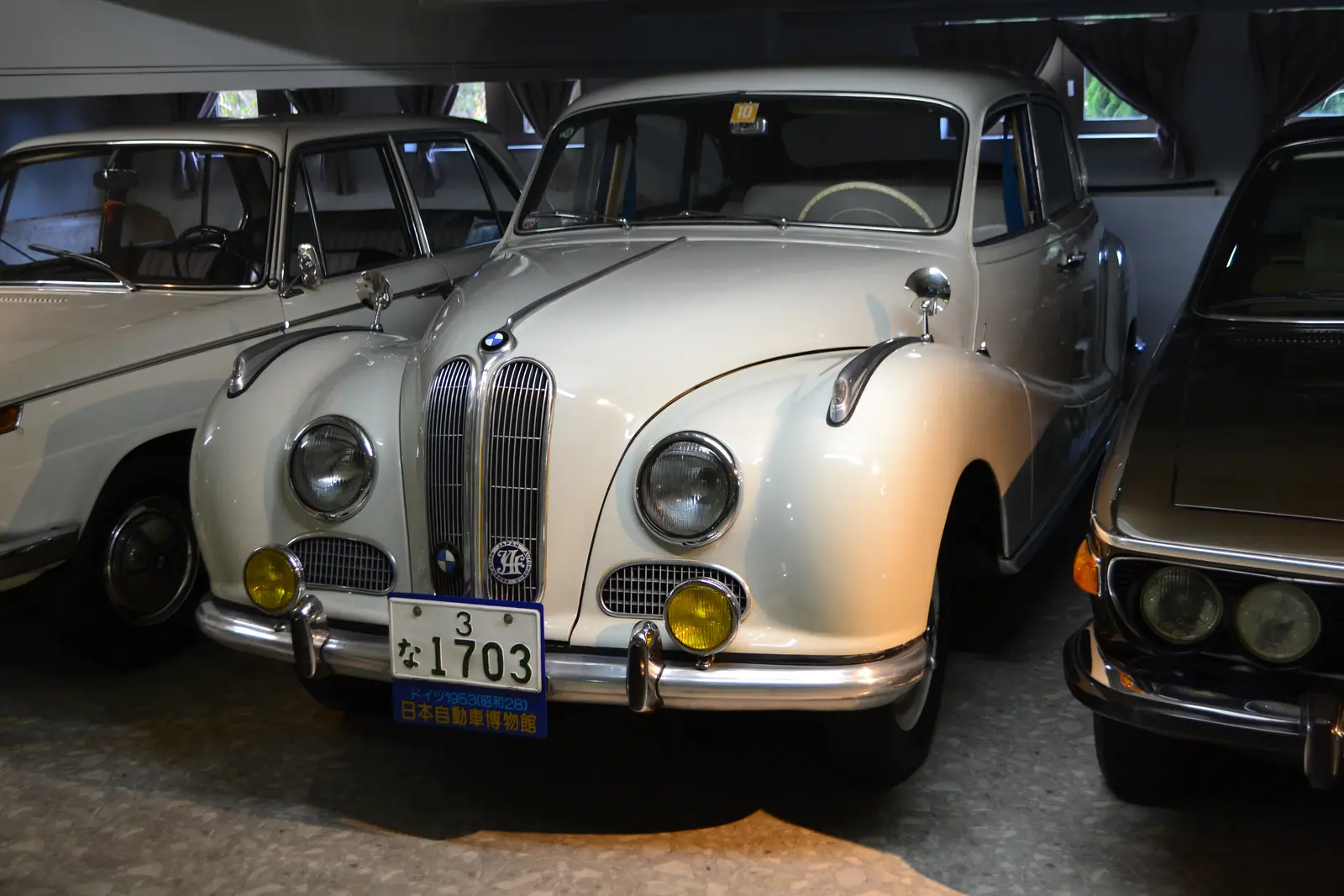
BMW in Munich had meanwhile lost its only car factory. BMW's first post-war car, the 501, was "produced from 1952". 4 For seven years, in other words, the only new "BMW" cars in the world were coming out of a plant BMW no longer owned.
EMW, then Wartburg
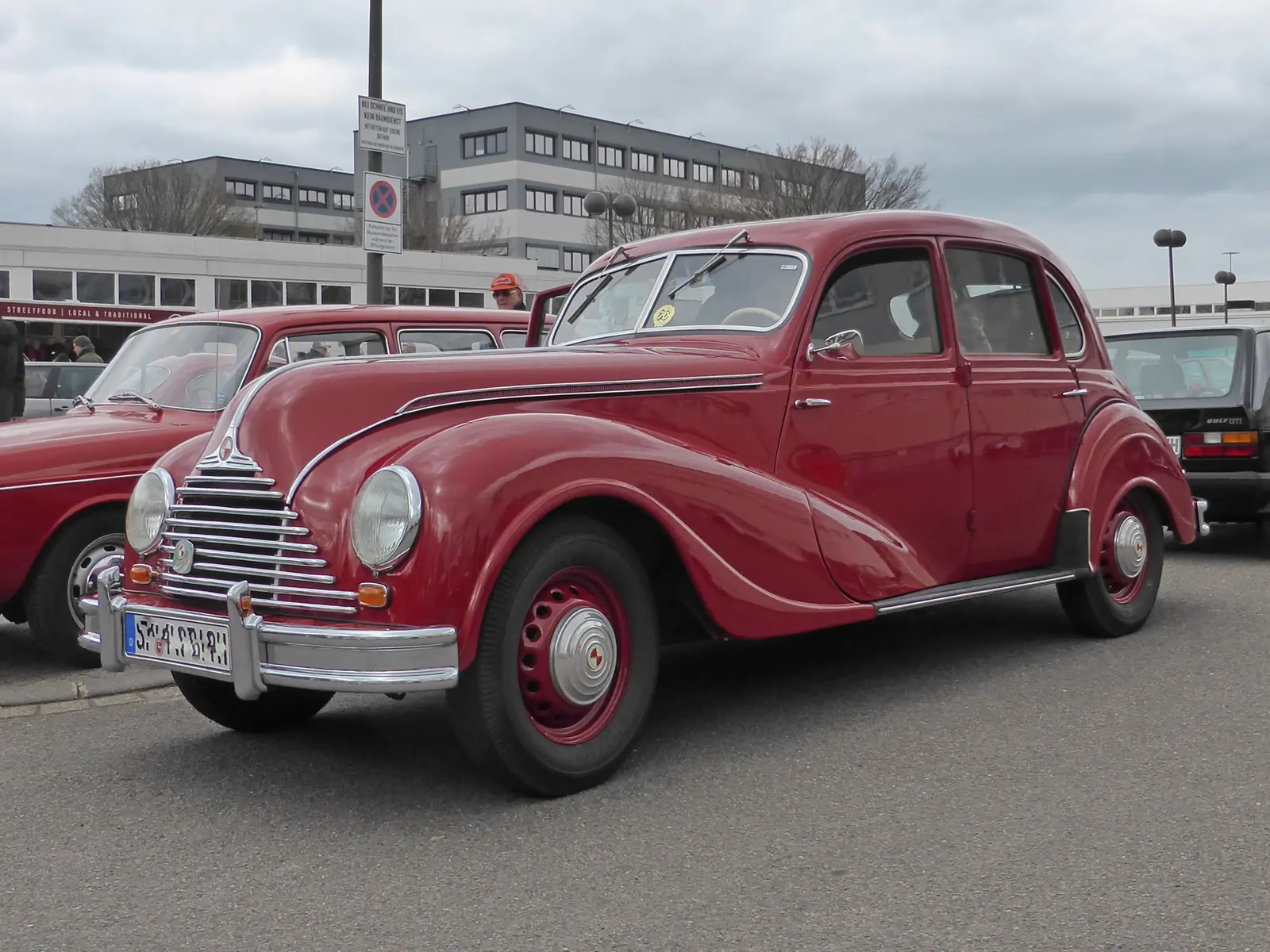
That could not last. After a lawsuit in 1952, the Eisenach works stopped using the BMW name and became EMW, Eisenacher Motorenwerk, its roundel recoloured from Bavarian blue and white to red and white. The same year the plant passed into East German state ownership. 8,9 EMW kept building the pre-war-derived six-cylinder cars for a few more years, among them the EMW 340, produced from 1952 to 1955. 9
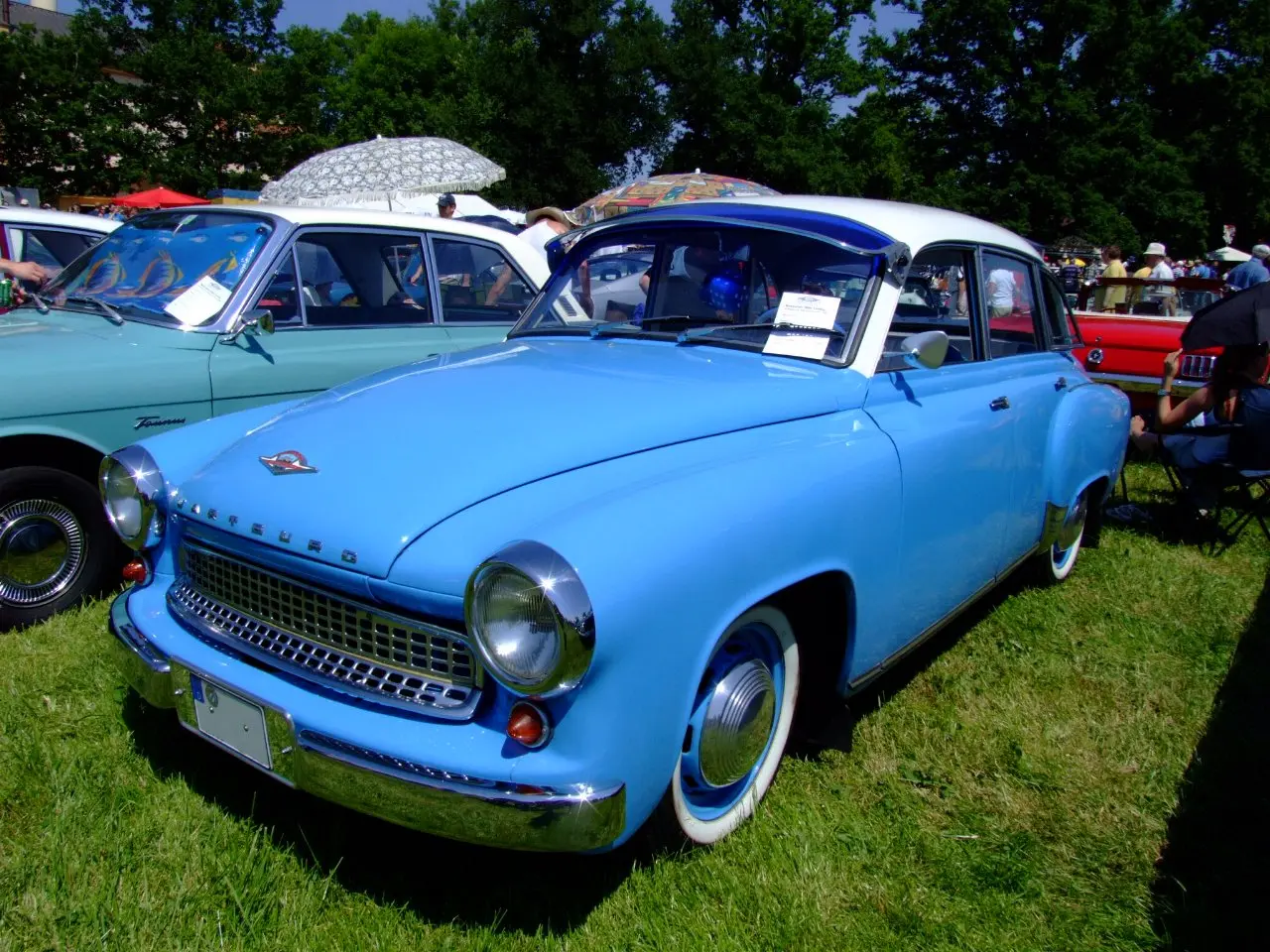
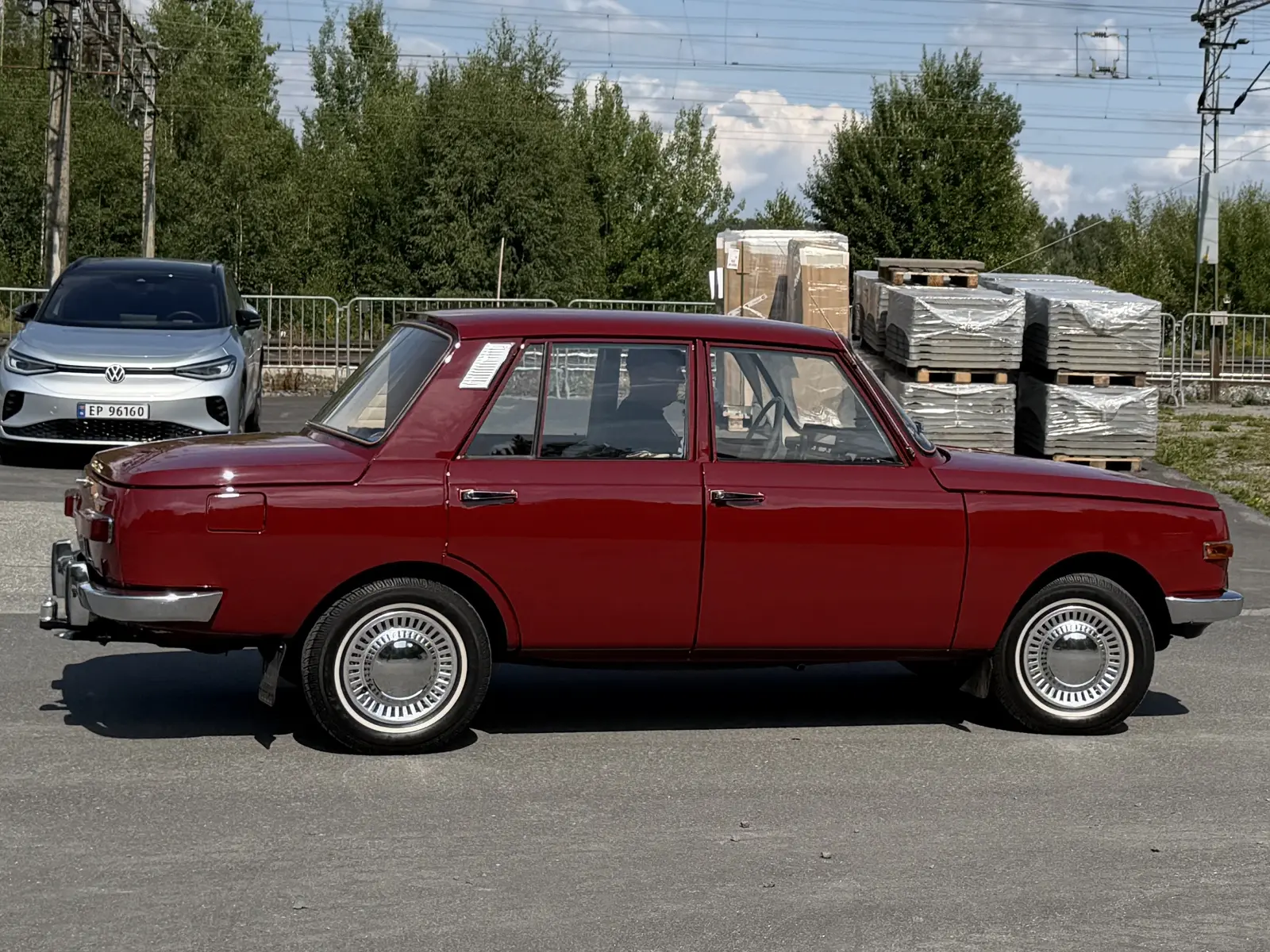
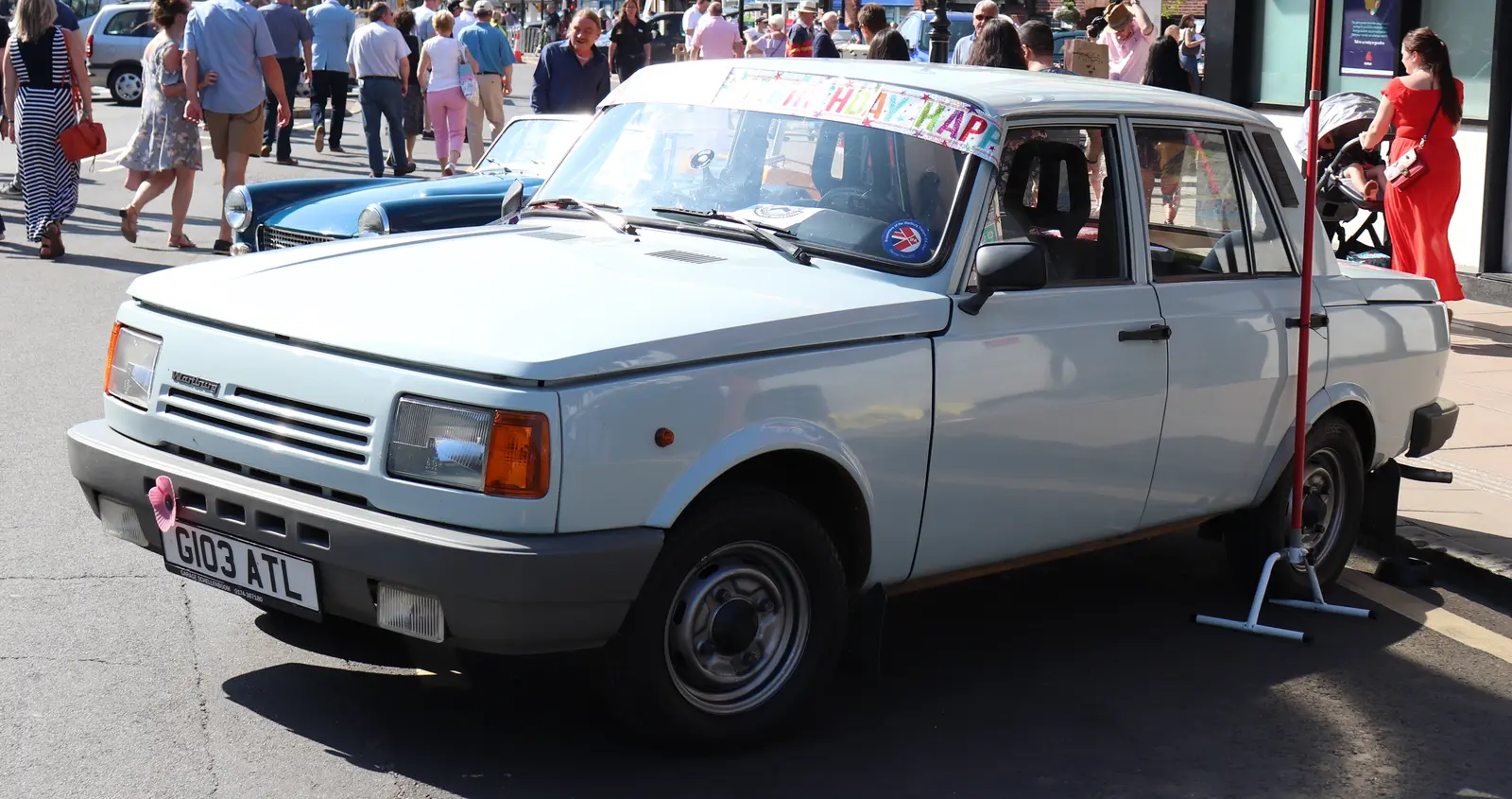
In 1956 the old Wartburg name was revived for a new front-wheel-drive car, the 311, and a year later the plant took the name VEB Automobilwerk Eisenach. The Wartburg 353 followed in the mid-1960s and the Wartburg 1.3 in 1988. 8,10 The plant that had built the first BMWs now built East Germany's mid-size car, and did so for thirty-five years.
1990 to 1992: the Wall falls, the Wartburg stops, BMW returns
Reunification caught the Eisenach works at the end of its road. The last Wartburg was built on 10 April 1991, and the Treuhand agency, which wound up East German state enterprises, closed Automobilwerk Eisenach in April 1991. 10,8 Opel opened a new plant on the edge of the town in 1992. 8
BMW came back too, though not to build cars. On 10 March 1992 BMW opened BMW Fahrzeugtechnik GmbH in Eisenach, in BMW's own words returning "to its roots" in the town; the company invested DM 120 million and describes itself as the first major investor in eastern Germany after the fall of the Wall. 1 The plant made, and still makes, the large press tools that give BMW, MINI and Rolls-Royce bodies their shape, and sheet-metal body parts. 1,2 BMW's plant page puts it plainly: "After German reunification, the BMW Group returned to Eisenach in 1992". 2
Where the 3 Series stood in 1990
While the Eisenach works were building their last Wartburgs, BMW in Munich was launching the car that would carry it through the decade. The third-generation 3 Series, the E36, arrived in 1990, a four-door Sedan first. 5,7 BMW's own histories date the Coupé to 1992, the Convertible to 1993 (BMW's US text of 2011 says only that it followed the Coupé by a few months), the Compact to 1994 and the Touring to 1995. 5,6,7
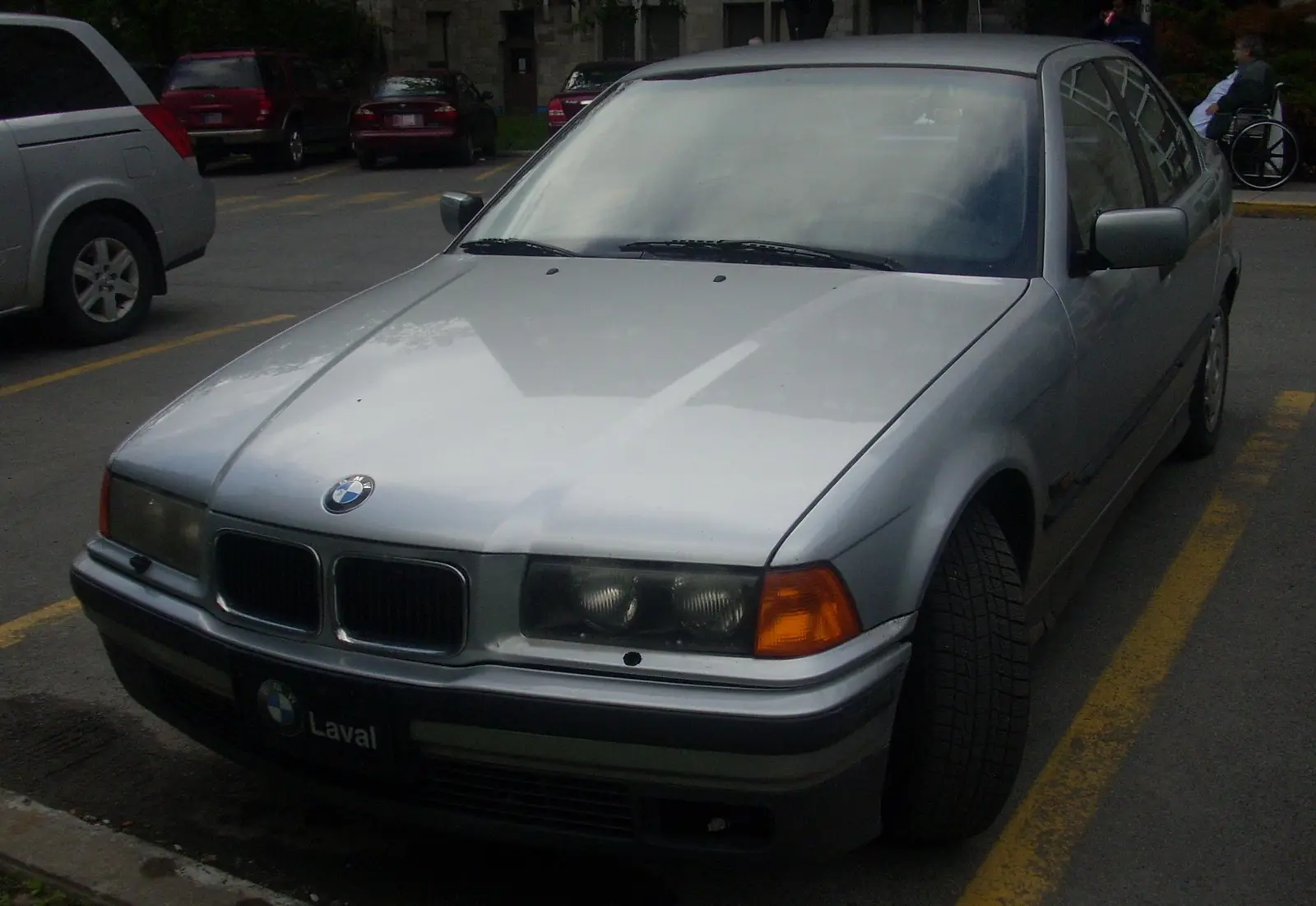
The E36 was the 3 Series of the reunification decade, and its successor is the car this site exists for. The fourth generation, the E46, arrived in 1998, in BMW's words "in the spring of 1998", with the Sedan; BMW's US press material gives May 1998. The Coupé followed in April 1999 and the Touring later that year, the Convertible in spring 2000 and the Compact in early 2001. 5,6,7
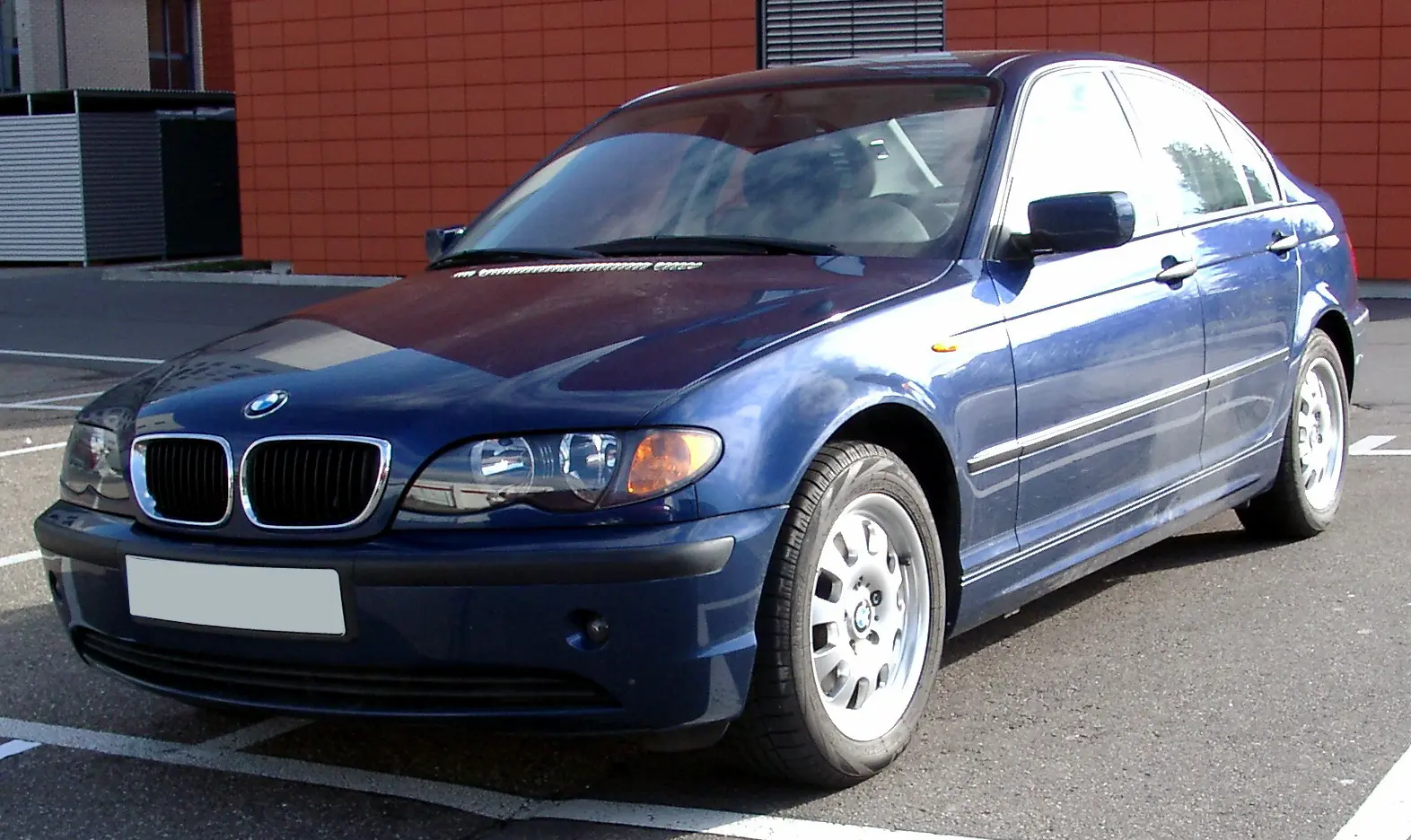
BMW's own figures: 2,745,780 E36 (BMW Group Classic says "sold"; BMW Group's 2025 article rounds it to 2.75 million "rolled off the production line" by 2000) and 3,266,885 E46 by 2006, given in both documents as the 3 Series' historical peak. 5,6
Why this matters for an E46 owner
Nothing in this story changes a part number. It does explain two things owners meet. First, why BMW's own history calls Eisenach its first car plant and why a press tool for a 3 Series body panel may have been made in Thuringia: the plant BMW returned to in 1992 is the one it lost in 1945. 1,2 Second, why the E46 is a product of a particular moment: designed in the years after reunification, launched in 1998 by a company that had just rebuilt its presence in the East. The configurator deals in the car's parts; this is the country they were built in.
Notes on the evidence
Conflicts recorded. The 1952 EMW renaming and lawsuit rest on encyclopaedia sources only; no BMW-authored text on it was reached (a BMW Group Classic newsletter that appeared in search returned a 404). The two BMW documents on 3 Series volumes agree on the figures and differ only in wording ("sold" versus "rolled off the production line").
Not established (open). The exact court and ruling behind the 1952 name change; production figures for EMW cars; the role of the Treuhand beyond the closure date; whether BMW's "first major investor in eastern Germany after the Wall" is BMW's own description only (it is quoted as such). Encyclopaedia facts (MEDIUM) were cross-read against the regional press account where possible, but not against a primary document.
What comes next
Our E46 configurator is live: it shows which parts fit your car and links to sellers where we've found one.
Try it on your car
See it on your exact car.
Pick your model, year and body style in the configurator and get the part that fits it, with the OEM number and offers side by side.
Open E46BUILDSources & confidence
Sources & confidence
Where this article comes from. Paths point into the E46BUILD research files. Paths are relative to web sources, fetched 2026-10-02 (URLs in each source title)
- S1High
BMW Group PressClub Deutschland, '15 Jahre BMW Fahrzeugtechnik GmbH in Eisenach. Eine Erfolgsgeschichte aus und für Thüringen', press release of 15 June 2007 — https://www.press.bmwgroup.com/deutschland/article/detail/T0003611DE
BMW-authored (press release)
web: press.bmwgroup.com, T0003611DE, fetched 2026-10-02
HIGH for what BMW states: takeover of the Eisenach vehicle factory in November 1928; production restart in November 1945; BMW's return to Eisenach with the opening of BMW Fahrzeugtechnik GmbH on 10 March 1992; DM 120 million investment; BMW's own description of itself as the first major investor in eastern Germany after the Wall.
- S2High
BMW Group Werke, 'BMW Group Plant Eisenach' (plant page) — https://www.bmwgroup-werke.com/eisenach/en.html
BMW-authored (corporate site)
web: bmwgroup-werke.com/eisenach, fetched 2026-10-02
HIGH for: 'the first ever BMW car factory', the BMW 3/15 built there, BMW's return in 1992 with press-tool engineering and sheet-metal body parts, current output and workforce figures (as of fetch date).
- S3High
BMW Group Classic blog (PressTopic), 'DIXILAND' — https://www.presstopic.bmwgroup.com/en/bmw-classic-blog/text/DIXILAND-8627.html
BMW-authored (BMW Group Classic)
web: presstopic.bmwgroup.com, DIXILAND-8627, fetched 2026-10-02
HIGH for: BMW bought the Eisenach factory in 1928; the Austin Seven licence behind the 3/15; the 3/15's price and performance; the 3/20 of 1932. Undated article.
- S4High
BMW Group Classic, 'History' page — https://www.bmwgroup-classic.com/en/history.html
BMW-authored (BMW Group Classic)
web: bmwgroup-classic.com/en/history, fetched 2026-10-02
HIGH for: BMW's founding date (7 March 1916) and 'The BMW 501, produced from 1952, was BMW's first post-war automobile.' The page does not mention Eisenach.
- S5High
BMW Group Classic press text, '40 years of the BMW 3 Series model range' (PressClub attachment) — https://www.press.bmwgroup.com/global/article/attachment/T0216343EN/320177/BMW_Group_Classic_40_years_of_the_BMW_3_Series__E.pdf
BMW-authored (BMW Group Classic)
web: press.bmwgroup.com, T0216343EN attachment, fetched 2026-10-02
BMW Media Information, 05/2015. HIGH for: third generation 'took to the stage in 1990'; E36 'sold a total of 2,745,780 units'; fourth generation 'in spring 1998', Coupé 'as early as April 1999', Touring 'later that year', Convertible 'spring 2000', Compact 'early 2001'; E46 total sales 'a historical peak for the BMW 3 Series of 3,266,885 units'.
- S6High
BMW Group news, 'BMW 3 Series celebrates 50 years', 11 July 2025 — https://www.bmwgroup.com/en/news/general/2025/50-years-BMW-3-series.html
BMW-authored (corporate news)
web: bmwgroup.com/en/news, 2025-07-11, fetched 2026-10-02
HIGH for: E36 launch 1990 and body variants (Coupé 1992, Convertible 1993, Compact 1994, Touring 1995); E46 'in the spring of 1998' and variants (Coupé and Touring 1999, Convertible 2000, Compact 2001); '2.75 million E36s had rolled off the production line' by 2000; '3,266,885 3 Series vehicles' by 2006 (agrees with S5).
- S7High
BMW Group PressClub USA, 'The success story of a global trendsetter: Five generations of the BMW 3 Series', 28 March 2011 — https://www.press.bmwgroup.com/usa/article/detail/T0102982EN_US/
BMW-authored (press release)
web: press.bmwgroup.com/usa, T0102982EN_US, fetched 2026-10-02
HIGH for: 'In 1990, the four-door sedan marks the launch of the third generation'; Coupé and Convertible 1992, Compact 1994; 'May 1998 sees the arrival of the fourth generation'; E46 technical notes.
- S8Medium
Wikipedia, 'Automobilwerk Eisenach' — https://en.wikipedia.org/wiki/Automobilwerk_Eisenach
encyclopaedia
web: en.wikipedia.org, fetched 2026-10-02
MEDIUM for: founding on 3 December 1896 by Heinrich Ehrhardt; Dixi name from 1904; the Soviet stock company (Awtowelo) after 1945; transfer to East German ownership and the EMW name in 1952; Wartburg from 1956; the Treuhand agency closing AWE in April 1991; Opel's new Eisenach plant in 1992.
- S9Medium
Wikipedia, 'Eisenacher Motorenwerk' — https://en.wikipedia.org/wiki/Eisenacher_Motorenwerk
encyclopaedia
web: en.wikipedia.org, fetched 2026-10-02
MEDIUM for: US occupation April 1945, Soviet takeover July 1945; order no. 93 of October 1945; civilian sales from 1948; the 1952 lawsuit after which the plant had to use the EMW name; EMW 340 built 1952–1955; the red-and-white logo.
- S10Medium
Wikipedia, 'Wartburg (marque)' — https://en.wikipedia.org/wiki/Wartburg_(marque)
encyclopaedia
web: en.wikipedia.org, fetched 2026-10-02
MEDIUM for: the Wartburg name revived in 1956 (311), the 353 from 1965, the 1.3 from 1988, and 'Production ended on 10 April 1991'.
- S11Medium
Eisenach Online (local news), 'Vor 75 Jahren rettete am 13. Oktober 1945 der SMAD-Befehl Nr. 93 den Automobilstandort Eisenach', 13 October 2020 — https://www.eisenachonline.de/personen/vor-75-jahren-rette-am-13-oktober-1945-der-smad-befehl-nr-93-den-automobilstandort-eisenach-105159
regional press
web: eisenachonline.de, 2020-10-13, fetched 2026-10-02
MEDIUM for: the exact date of Soviet order no. 93 (13 October 1945) and its wording; US forces at the plant on 6 April 1945, Soviet forces from 3 July 1945; over 60 percent of the plant destroyed; 68 cars and 75 motorcycles completed by the end of 1945.
How sure we are
- High
- A BMW-authored document read in full, or two independent parts-catalogue mirrors that agree at part-number and date level.
- Medium
- A single parts-catalogue mirror, or an official or reference text (a BMW document, a regulation, an encyclopaedia) that we could only read second-hand or that no catalogue page confirms directly.
- Low
- A non-catalogue source only (forums, retailers). Shown as an indication, never as fact.